Company News
How to Set Up a Trade Show Booth in Las Vegas Without Last-Minute Surprises
A practical guide to planning a Las Vegas trade show booth setup, from exhibitor manual checks and EAC permits to pre-ship booth checks and installation coordination.
Meta Description: Trying to figure out how to set up a trade show booth in Las Vegas? The toughest challenges can start before a single panel is installed.
How to Set Up a Trade Show Booth in Las Vegas Without Last-Minute Surprises
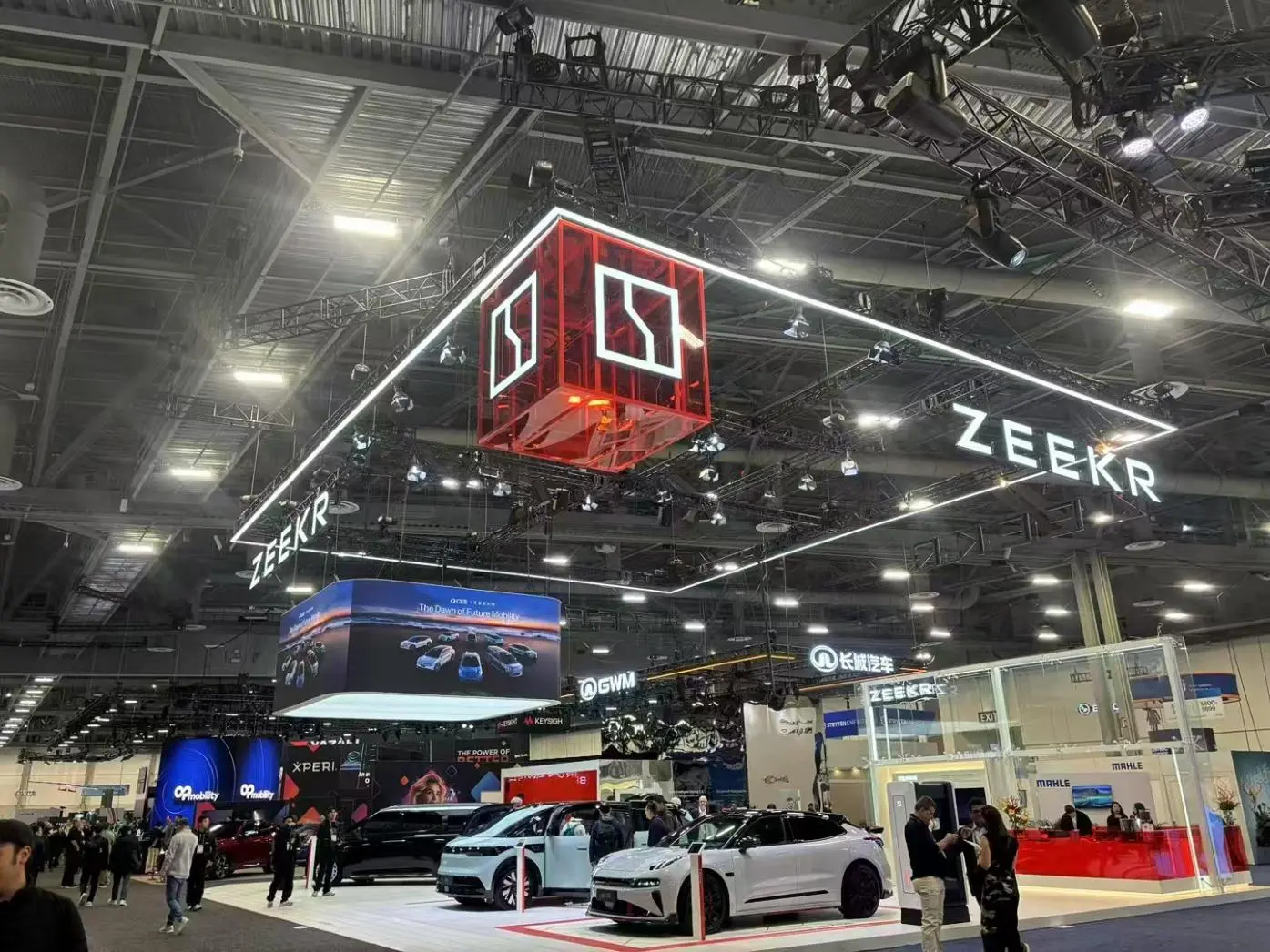
You're at the Las Vegas Convention Center, vendors and contractors are running around, and you've got the perfect booth space on the floor. But as you get closer, you realize something is missing: your shipping crates. You triple-checked the schedule and delivery notifications. Your booth materials arrived in the city days ago, but they're nowhere to be seen when you get to your exhibit space. And until they're delivered, your crew can't begin assembling.
Exhibits have a surprising number of moving parts. That's why knowing how to set up a trade show booth involves so much more than understanding how your exhibit pieces fit together. You're coordinating the venue, show organizer, freight handlers, service contractors, and installation team. If their schedules don't line up, then you'll run out of time to build and test your exhibit.
In this guide, we'll cover booth preparation and installation coordination in Las Vegas, plus a checklist to get you ready for opening day.
How do you set up a trade show booth?
Setting up a trade show booth involves preparing the floor space, assembling the structure, installing graphics and displays, and testing all equipment before the show opens. If you're figuring out how to set up a trade show booth in Las Vegas, you'll also need to check the venue's labor rules, approved services, and assigned move-in schedule.
These requirements outline who can complete each task and when installation can begin. That's why it's so critical to manage clear communication across different crews and services. You don't want to end up in a situation like the delayed materials example.
Get your booth ready before move-in
A smooth trade show booth setup starts with strong preparation before your team even sets eyes on the venue.
Start with the exhibitor manual
The exhibitor manual is the rulebook for how to set up a trade show booth. Every event will have its own. The manual provides all the important details, such as booth size and height limits, layout approval, service-order deadlines, and move-in hours. It'll typically have information on insurance and contractor paperwork, too. Always work from the current manual, even if you've exhibited at the same show before. Rules and dates can change between seasons.
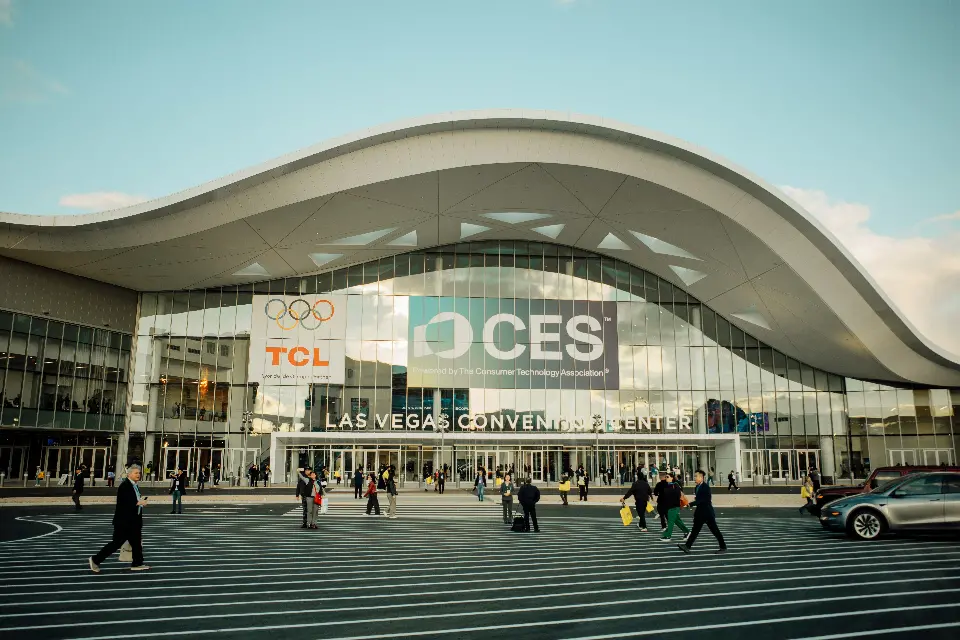
Check the venue's facility guide, too. Certain large or covered exhibits and double-deck booth designs may need advance plan approval at the Las Vegas Convention Center (LVCC). Occupied upper decks require engineer-stamped plans.
Check the booth before it ships
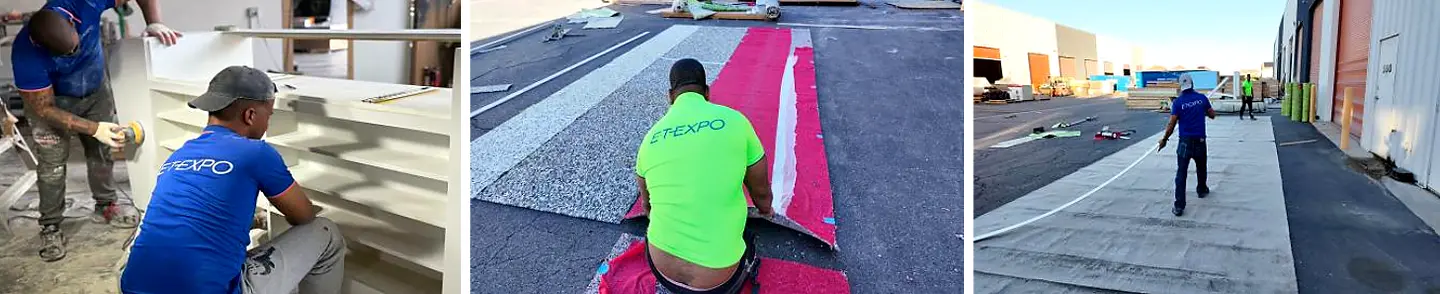
Before your booth leaves the shop, make sure every piece matches your approved layout. That includes branded panels, furniture, hardware, lighting, and technical equipment. Unique installations can make your booth pop. But they can also lead to a more complicated process if you're not working with an experienced custom exhibit fabrication team.
Don't forget about your artwork. Graphics and branding have specific specs. The last thing you want is a pixelated QR code over a gorgeous setup. Visitors can't scan it, and those leads slip away..
Find out who's allowed to install your booth
Putting together and taking apart your booth falls under installation and dismantling (I&D). You can typically choose who handles I&D, but the show or venue may limit your options. Your choices include:
Exhibitor-Appointed Contractor (EAC)
An EAC is a company you choose to hire independently of the show's official contractor. It can handle I&D and may offer other services, too.
Official service contractor
You can also order I&D labor through the show's official contractor. The event organizer selects this company to provide services to exhibitors. Some services are exclusive to a designated provider, which may be the venue or another contractor.
Your own employees
Shows may allow eligible full-time employees to handle some tasks. Services like electrical connections and overhead rigging might still need authorized personnel. ESCA has a detailed guide on what exhibitors can do at most major US convention centers.
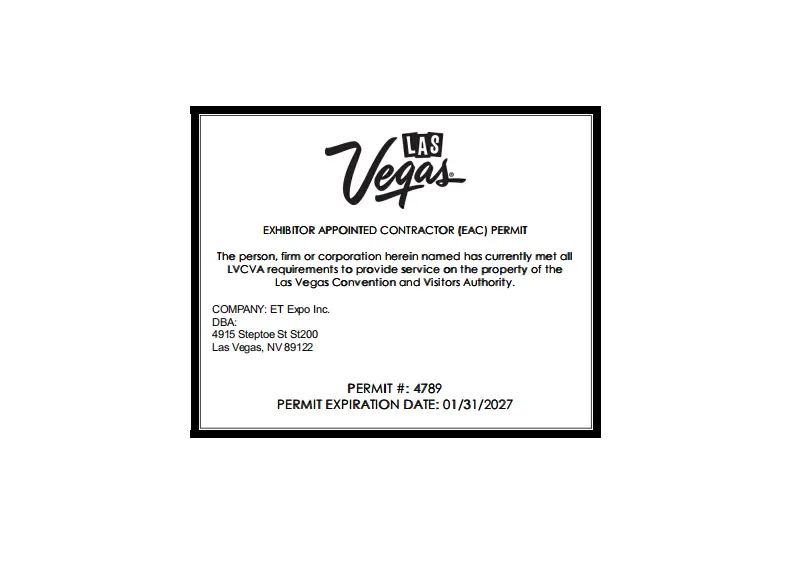
When hiring an EAC, check its permit and insurance requirements. LVCC requires outside contractors to have an EAC permit and insurance documentation. Contractor rules apply to a variety of services, including trade show project management, event photography and videography, and on-site security.
Exhibitors should check that access credentials belong to the assigned workers, are valid for the required dates, and meet the specific event's access rules.
An ESCA access badge is not a substitute for an EAC permit, insurance, or authorization to perform restricted work.
4. Confirm the Contractor's Authorized Scope of Work
Before installation begins, confirm which services the EAC can perform and which must be handled by designated or exclusive providers.
Depending on the venue and show, electrical connections, rigging, plumbing, material handling, and other specialized services may be restricted to authorized personnel.
ET EXPO Project Tip
Ask your booth contractor to confirm its required permits, insurance documentation, event registration, worker access credentials, and on-site responsibilities before move-in day. Verifying these details early can help avoid access problems, scheduling delays, and unexpected installation costs.
Make sure your booth has the services it needs
The more complex your booth, the more services your trade show booth setup will likely need. You might also add electrical and AV equipment, flooring, and plumbing if you're getting creative with water features or interactive elements.
When scheduling your materials, think about the order in which you want to install them. Let's say you're giving out free ice cream samples and need cables for freezers. For safety and aesthetic purposes, you'll probably want those to run under some carpet. If your flooring crew shows up before your demo is set up, that could make setup messy.
Another complication with our ice cream example circles back to who your contractor is. Take The Venetian Expo. The venue is the exclusive provider of electrical wiring under carpet or flooring. Standard booth power turns on 30 minutes before the show opens and shuts off 30 minutes after it closes.
If you don't want your product to melt overnight, you'll need to order 24-hour power at an additional charge. You'll also need written venue approval to hand out food samples.
Time your freight delivery with your installation
There are generally two ways to ship your booth materials. There's advance warehouse shipping, which sends your booth to a holding warehouse before sending it to the show. Direct-to-show shipping sends your materials to the venue during the show's assigned move-in window.
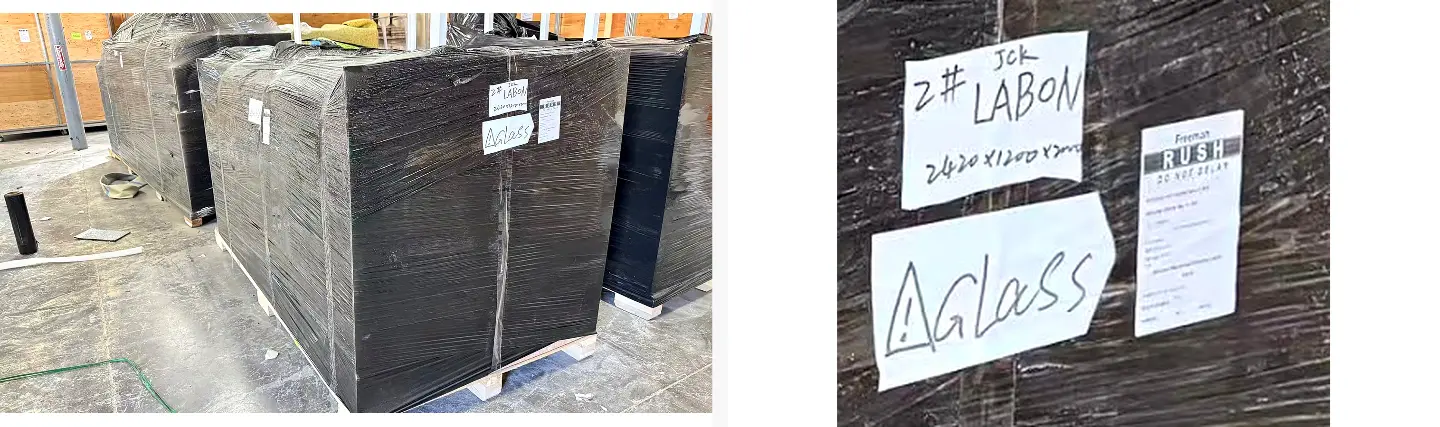
Once your supplies are at the venue, you'll have to coordinate material handling (drayage). Drayage covers unloading freight and bringing your materials to your booth. It can also include empty-crate storage and return, plus outbound loading.
Freight timing is one more part of how to set up a trade show booth that comes down to the venue and event. SEMA Show, for instance, has move-in dates assigned by booth. Confirm your specific window before lining up start times for your different contractors.
Bring the booth together on-site
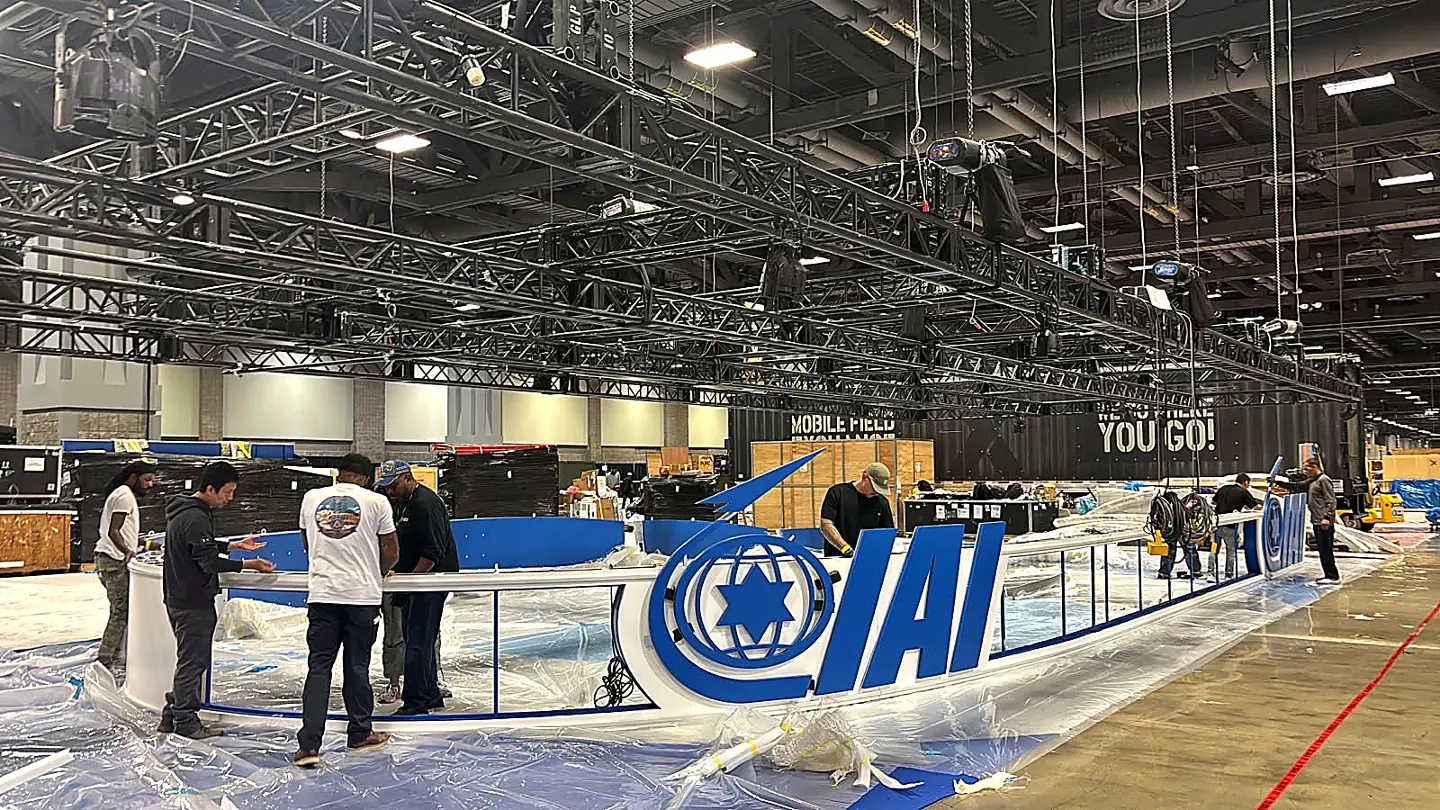
Now that you have the materials and crews on the convention floor, the hands-on part of trade show booth setup begins.
Check everything before assembly
Start by making sure you have everything you need to get the job done. Compare your crates to your packing list, and physically inspect everything. No one wants to start building only to find out a critical safety bolt is missing. Plus, the sooner you spot problems, the faster you can fix them.
Look for things like warped wall panels, light leaks in backlit displays, and damaged connection hardware. If you find issues, take photos and tell your installation supervisor right away. That way, you can line up a replacement or order a repair as soon as possible.
Build the booth in the right order
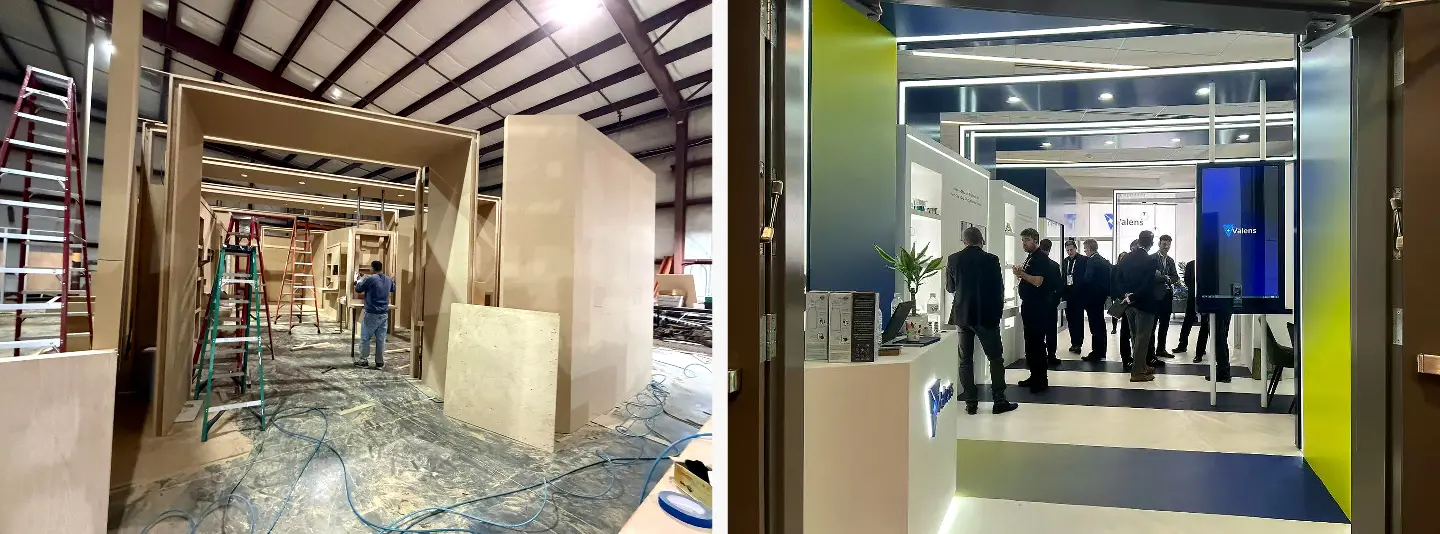
Typical exhibit installs start with venue-controlled floor services, like the under-carpet wiring at The Venetian Expo. After the flooring is installed, the booth structure, graphics, lighting, furniture, and product displays come next.
The exact order for how to set up a trade show booth is influenced by the venue's guidelines and your exhibit. Your installation supervisor keeps each team working in the right sequence, so no one is stuck waiting around.
Give the finished booth a test run
With your booth up and running, it's time to make sure everything's working properly. Walk through the exhibit like a visitor. Are you getting the same experience you envisioned months ago at the office?
You might realize that the furniture layout creates an awkward path or a decorative sign is blocking an entrance. Don't forget safety access. Make sure fire extinguishers and other safety equipment aren't being blocked.
Then, run through all your tech. A beautifully designed booth can draw your audience in. But your product demo, internet connection, and tablets are what turn visitors into leads. Finally, run your team through a pre-show check. Your booth crew should know who to call if a screen or connection fails during the show.
Your Trade Show Booth Setup Checklist
A successful trade show booth installation starts long before the first panel is assembled. Use this practical checklist to coordinate materials, contractors, delivery schedules, installation, and final inspections.
1. Before Move-In
-
Confirm the exhibitor manual, approved booth drawings, and assigned move-in dates.
-
Prepare an inventory list with item names, quantities, dimensions, and reference photos.
-
Assign each item to the responsible supplier or contractor.
-
Confirm freight delivery, material handling arrangements, and crew schedules.
-
Check flooring, graphics, furniture, lighting, and audiovisual equipment against approved specifications.
-
Verify electrical orders, insurance documents, and required venue approvals.
2. During Booth Installation
-
Check delivered materials against the packing list and inventory.
-
Inspect components for missing parts, incorrect dimensions, or shipping damage.
-
Coordinate venue-controlled services and flooring before installing dependent components.
-
Assemble booth structures according to approved drawings.
-
Install graphics, lighting, displays, furniture, and accessories in the required sequence.
-
Record outstanding issues and assign responsibility for corrections.
-
Make sure restricted work is handled by authorized personnel.
3. Final Inspection Before Opening
-
Test electrical connections, LED displays, lighting, and audiovisual equipment.
-
Confirm graphics, branding, and product displays are correctly positioned.
-
Check visitor pathways and required safety access.
-
Complete final cleaning and correct installation defects.
-
Photograph the completed booth for project records.
-
Conduct a final walkthrough with the project representative.
-
Record any remaining issues and confirm who will resolve them.
4. Dismantling and Move-Out
-
Confirm the official dismantling schedule and permitted labor arrangements.
-
Arrange empty-container return and outbound freight pickup.
-
Inspect, pack, and label reusable booth components.
-
Reconcile returned materials and equipment against the inventory.
-
Complete outbound shipping documents.
-
Document damage, missing items, and improvements for future exhibitions.
ET EXPO Project Tip
A detailed execution checklist should identify every component, its quantity, specifications, reference images, and responsible supplier. Assigning clear responsibilities and completing a documented final inspection can help prevent missing materials, installation delays, and last-minute problems on the show floor.
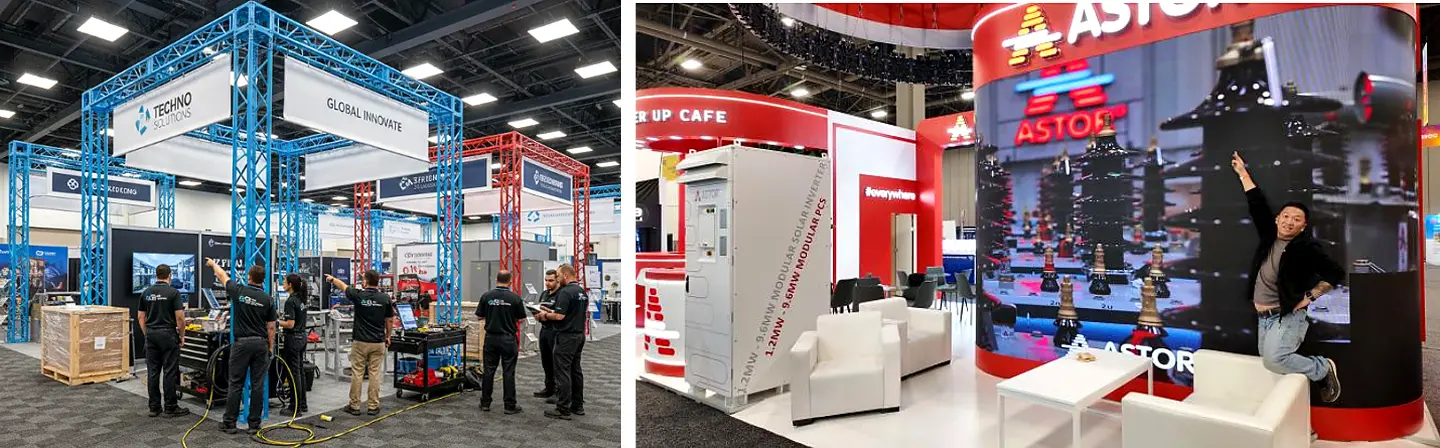
Exhibition crew completing setup preparations inside a trade show booth
Technician testing digital display screens inside a nearly completed trade show booth.
Before opening day, use this trade show booth checklist to make sure everything is in place and ready for visitors.
Make your next trade show setup even easier
The last thing you want is to spend opening morning tracking down missing crates or fixing a broken screen. When you're learning how to set up a trade show booth in Las Vegas, pay close attention to your delivery dates and crew schedules. Give yourself enough time to test everything before the doors open. Your team should be ready to show off your products and talk to potential customers, not deal with problems that could've been caught earlier.
After a show, see what worked and what could have gone better. Save your installation photos, packing lists, service records, and repair notes. This information can help you prepare for your next event, even if the venue rules and deadlines change.
If a Las Vegas trade show is on your calendar, ET EXPO can make booth setup the easiest part of your show.
Frequently asked questions about trade show booth setup
Can I set up my own trade show booth in Las Vegas?
At the Las Vegas Convention Center, your own full-time employees can assemble permitted booth components if show management approves and they can verify their employment. That doesn't automatically authorize them to handle electrical connections or overhead rigging. If you're figuring out how to set up a trade show booth with your own team, check the event's labor rules before assigning the work.
How long does it take to set up a trade show booth?
A small modular booth can go together much faster than a custom exhibit with floor wiring, display walls, and working demos. Even with an experienced crew, installation may have to wait until the crates reach your space and any required floor services are finished. Use the show's move-in window and your actual booth plan to work out the schedule.
What should I do if my trade show booth shipment is delayed?
First, find out where your crates are. They could still be with the carrier, at an advance warehouse, or already at the venue waiting to reach your booth. If they're on-site, the show's material handling desk can help track the delivery. Give your installation supervisor the update so the crew can adjust its work instead of waiting for materials that haven't arrived.