Industry Insights
How to Exhibit at a Trade Show in the USA in 8 Steps
Booking the booth is the easy part. Here’s how to exhibit at a trade show in the USA, without getting caught out by freight schedules, labor rules, and deadlines.
How to Exhibit at a Trade Show in the USA in 8 Steps
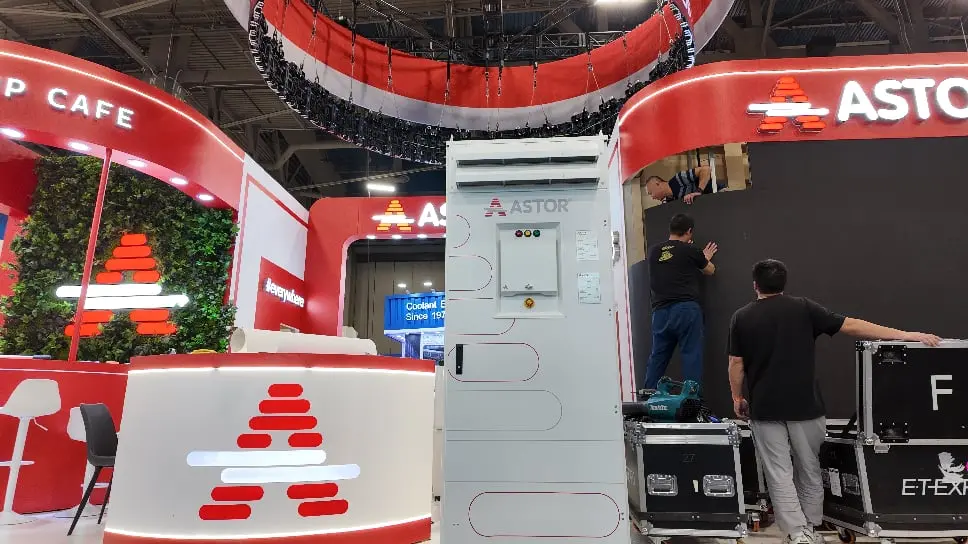
Caption: Final preparations at an ET EXPO trade show booth before the exhibition opens.
Alt text: CTrade show booth undergoing final installation and preparation before opening day.
The morning before a trade show opens, the convention hall chaos looks nothing like the polished exhibitions visitors see. Crates line the aisles, installation crews bounce between half-finished booths, and lights are flashing haphazardly as technicians test product demo screens. Everyone is buzzing and locked in as they're applying the finishing touches.
Behind every booth are weeks, if not months, of preparation. If you're trying to figure out how to exhibit at a trade show in the US, booking your spot is probably one of the easiest parts. Once you're locked in, there are deadlines, contractor coordination, and venue requirements that impact what you can bring to the floor.
This guide will cover 8 essential steps to creating a smooth, promising trade show event. We'll walk you through the exhibition process, preparations, and installation, so your next US trade show can go without a hitch.
How to prepare for a trade show in 8 steps
Here's how to get the most out of your exhibit, starting with choosing the right event.
Step 1. Pick the right event for your business
Before you start brainstorming over fonts and colors, choose the right show for your audience. Bigger isn't always better. If you sell parts for heavy machinery, a smaller exhibition that focuses on industrial equipment would have better opportunities for you to meet people looking for products like yours.
Knowing how to exhibit at a trade show well starts with the usual business question: what are your goals? If you want to meet distributors, you wouldn't want to waste your time and money at consumer-facing events.
Once you know where your audience is, you can narrow down potential shows. Compare their dates, locations, and available spaces. Trade show guides can make it much easier to find the right shows for your company.
After you have your top shows selected, start a preliminary budget. There are application and booth rental fees, production, and travel expenses to think about. Budget for contractors, marketing, booth installation, and material handling, too. Remember to leave extra for a contingency.
Step 2. Lock in your booth space
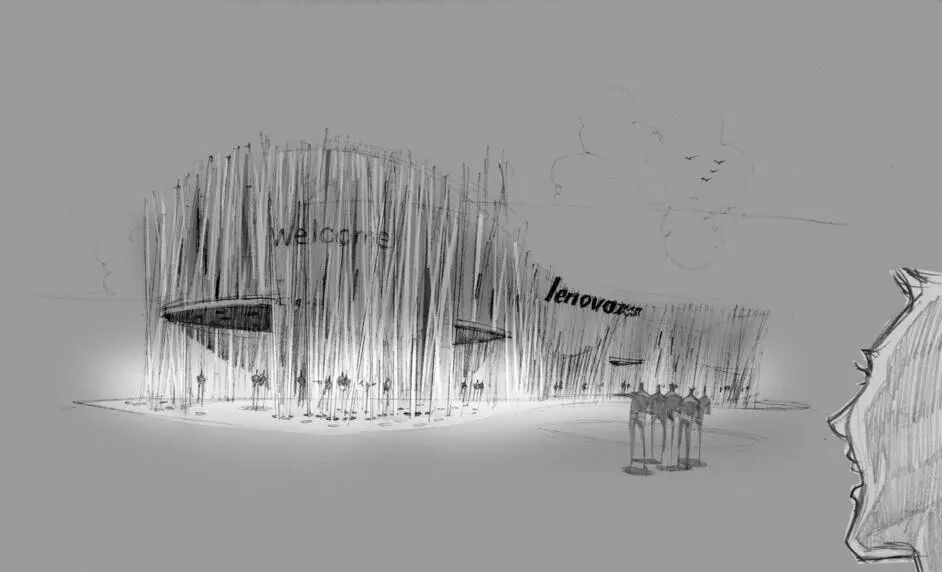
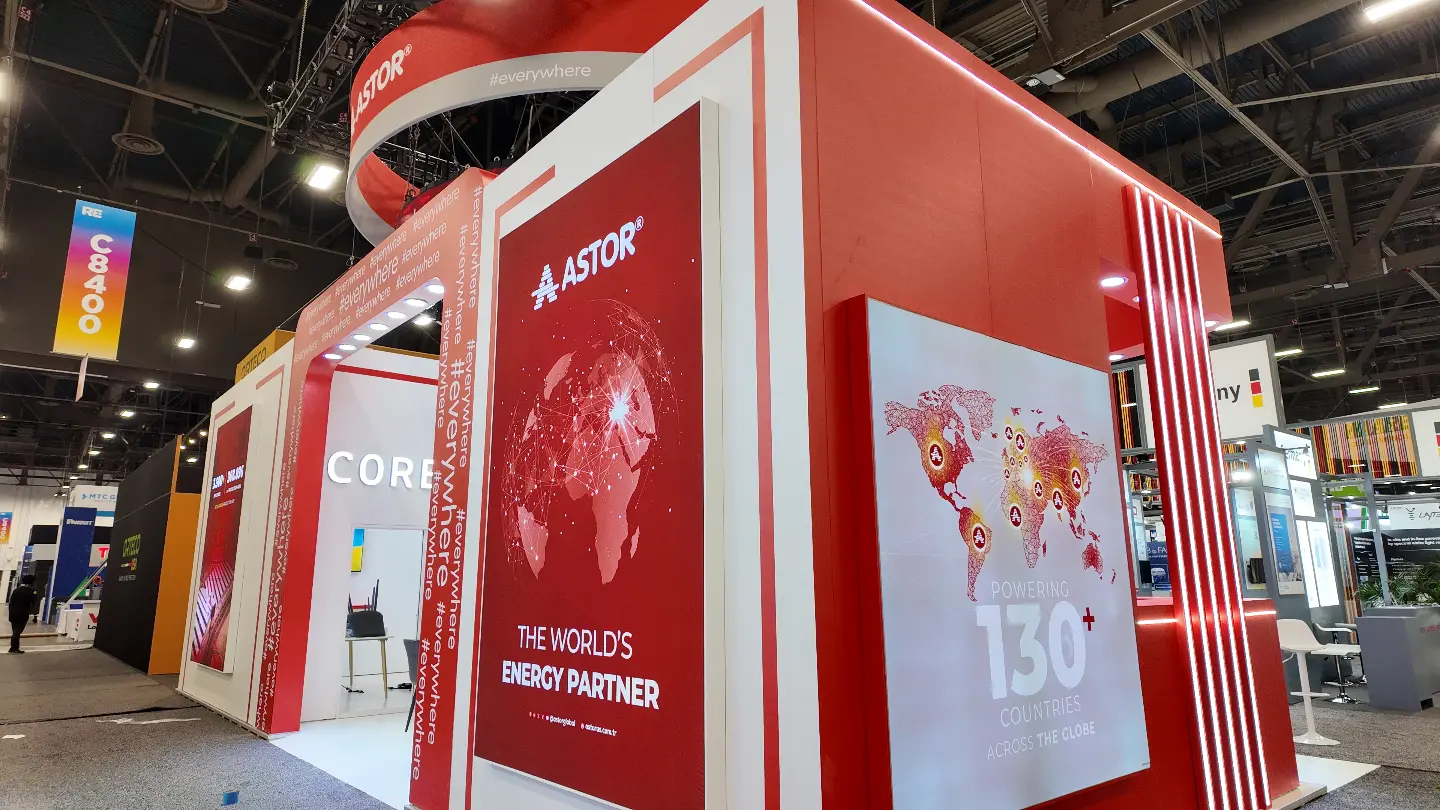
Size and location influence how visitors approach your company. An inline booth sits between neighboring exhibitors, with access typically limited to the front. An island booth has aisles on all four sides, giving visitors more ways to approach.
An inline booth is cheaper and is great for straightforward presentations. A more elaborate or interactive exhibit can draw in more customers and give distributors hands-on demo experiences. But it might be out of budget.
Caption: Inline booths offer a straightforward setup, while island booths give visitors more ways to explore your exhibit.
Alt text: Side-by-side comparison of inline and island trade show booth designs
For people learning how to exhibit at a trade show for the first time, it's critical to read the space agreements with a close eye. Electrical power, furniture, flooring, and other services might need to be purchased separately.
Step 3. Map every deadline on one calendar
Trade show deadlines have a sneaky way of arriving while your team is in the middle of another project. The easiest approach to preparing for a trade show is to use the organizer's exhibitor manual to build your calendar.
The manual includes deadlines for submitting booth designs, registering contractors, ordering electrical services, providing proof of insurance, and arranging freight deliveries.
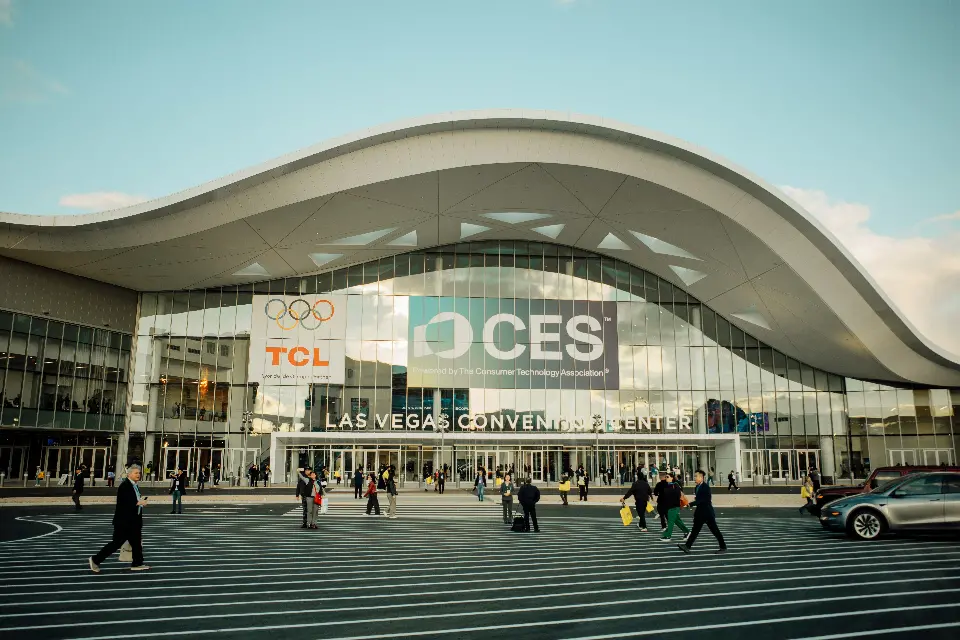
On top of that, no two shows are the same. Take two Las Vegas exhibitions in 2027. CES runs January 6–9, and SHOT Show's advance warehouse receiving period closes January 8. A company attending both might be running a booth at one show when its freight for the next exhibit is due.
When juggling multiple events, it's best practice to have separate schedules for each event plus a master calendar. Assigning someone to deadlines makes sure nothing slips through the cracks.
Step 4. Design a booth with goals in mind
What do you want people to do at your booth? A beautiful booth isn't going to help you connect with people if it's difficult to navigate. Product demonstrations need room for an audience, while private meetings require seating and some separation from the main visitor traffic.
Knowing how to exhibit at a trade show also means knowing how to deliver an experience. At Black Hat USA 2026, ET EXPO brought a little carnival magic to cybersecurity company AIR's exhibition booth. A circular meeting counter was glowing under a pink-and-white striped canopy. The company uses AI agents, so we added a whimsical “Circus of Skills” signpost pointing visitors toward attractions like Meet Your Agent and Skills of Fortune.
It would have been easy for a company like AIR to get lost amongst the other cybersecurity companies, but it's hard to forget a circus in the middle of a tech convention.
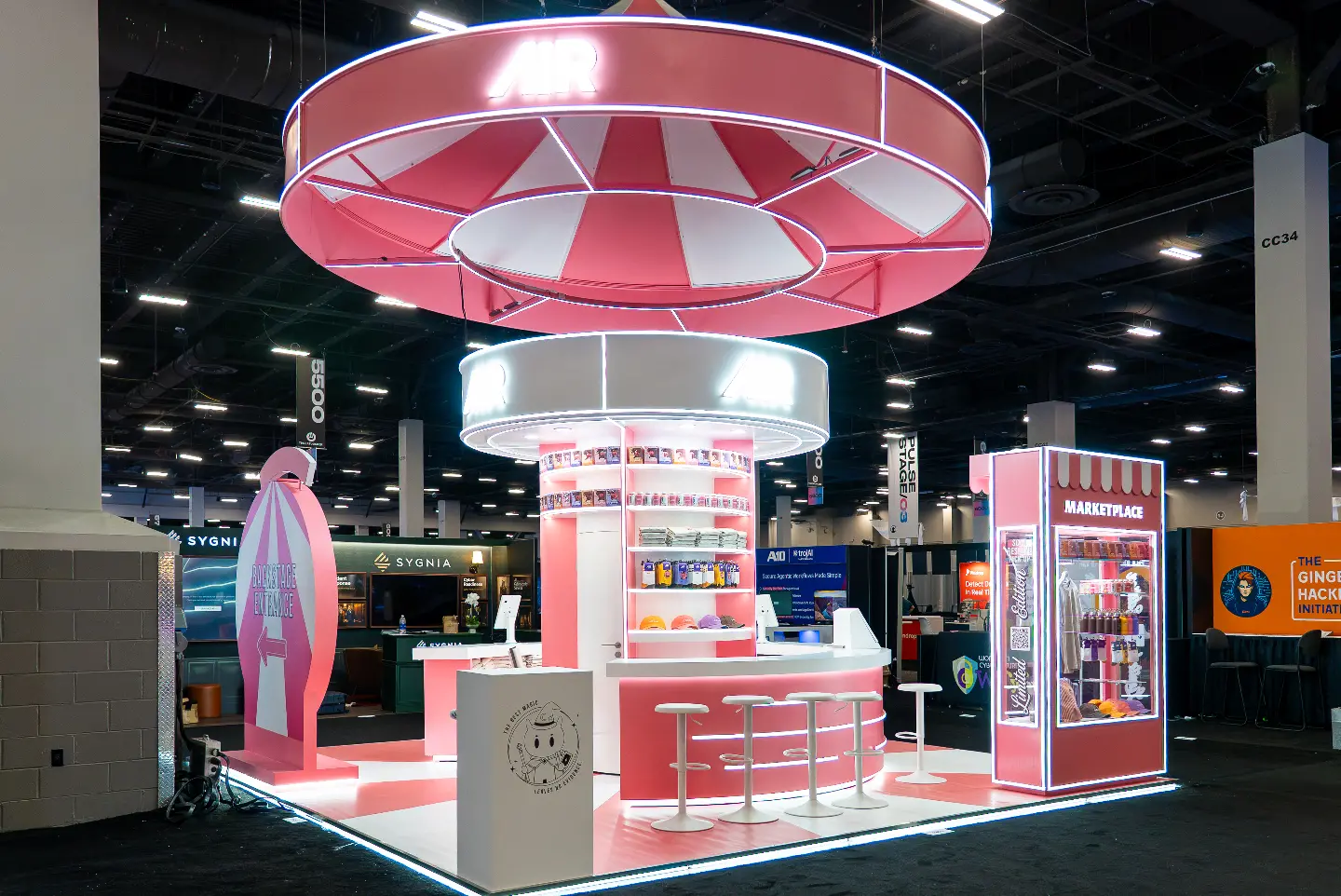
Caption: AIR brought a unique booth design to Black Hat USA 2026, inviting visitors to step inside its colorful Circus of Skills.
Alt text: AIR's carnival-themed trade show booth at Black Hat USA 2026, featuring a striped canopy and Circus of Skills signage.
Your own design should also account for lighting, graphics, electrical connections, and AV equipment. More complex structures may require additional engineering documents or approval from the organization before you can install.
Step 5. Get labor and services squared away
Next, you need to select the builders who can bring your design to life. Installation and dismantling (I & D) covers assembly and removal of your exhibit. Depending on the show's rules, you could work with an exhibitor-appointed contractor (EAC). Other services like rigging, internet connections, and plumbing are typically handled by teams hired by the organization or venue.
An important part of how to exhibit at a trade show in the US is knowing how these responsibilities are divided up. Always check what activities demand authorized personnel, and what paperwork they need to take care of.
For example, at the Las Vegas Convention Center, contractors must obtain an EAC permit, provide proof of insurance, and pay a $250 annual permit fee.
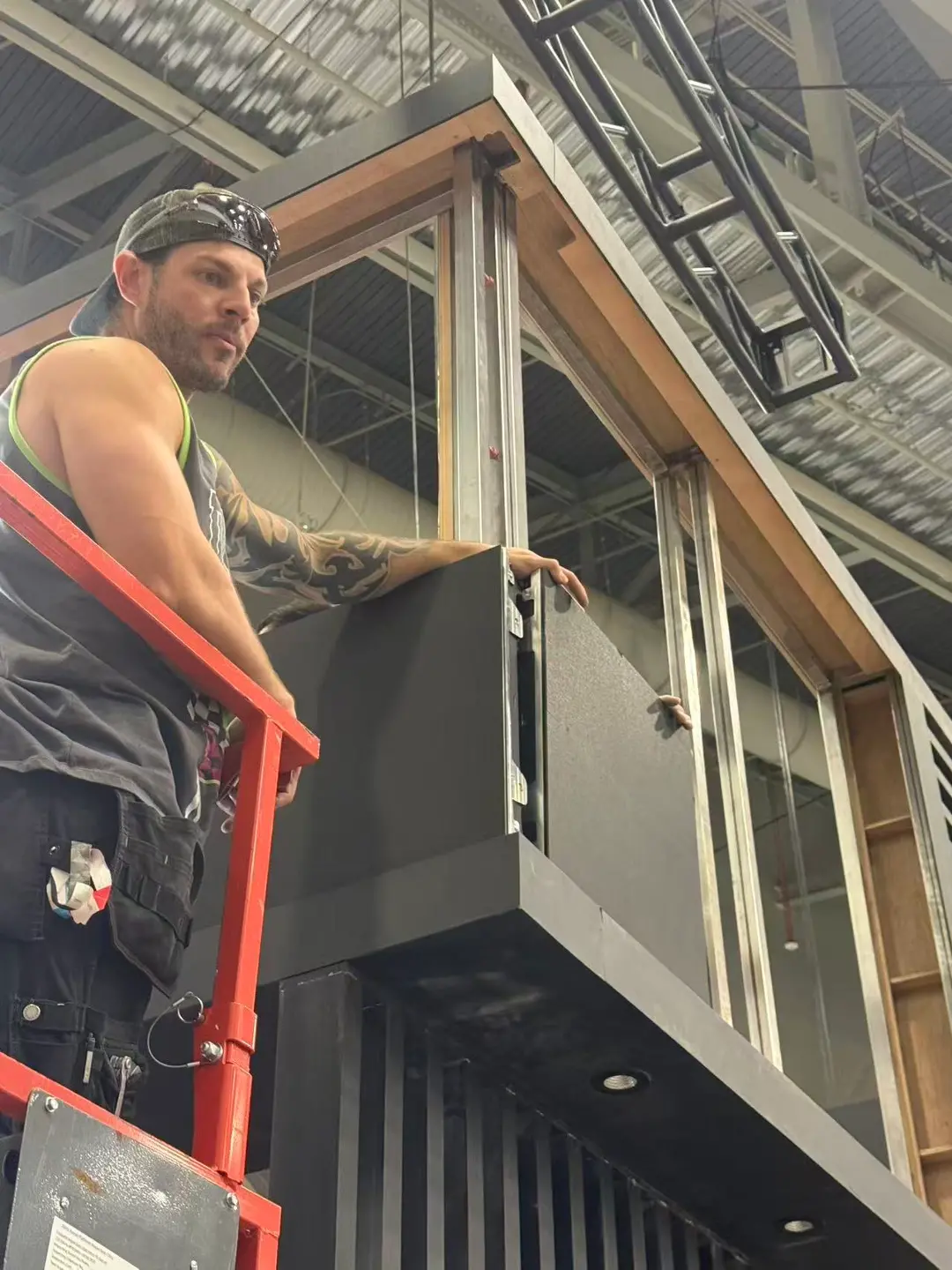
Caption: Behind every finished booth is a crew bringing the design to life before the show opens.
Alt text: Installation crew assembling a custom trade show booth on the exhibition floor.
Step 6. Route your freight all the way to the booth
Don't be surprised when your crate doesn't end up at your booth. Freight transportation gets your exhibit materials to the venue. Once your supplies are delivered, they fall under material handling, also called drayage.
Material handling includes services such as unloading freight, delivering it to the exhibit space, and storing empty containers.
When planning how to exhibit at a trade show, you generally have two shipping options.
-
Advance warehouse shipping: Your booth materials travel to a designated warehouse ahead of the show. They're held there until it's time to get them onto the exhibit floor.
-
Direct-to-show shipping: The freight heads straight to the venue during the move-in window.
Large pieces that need to be stored can benefit from advance warehouse shipping. Local shipments or materials that aren't ready in advance usually call for direct-to-show shipping. Some events restrict which options you can use.
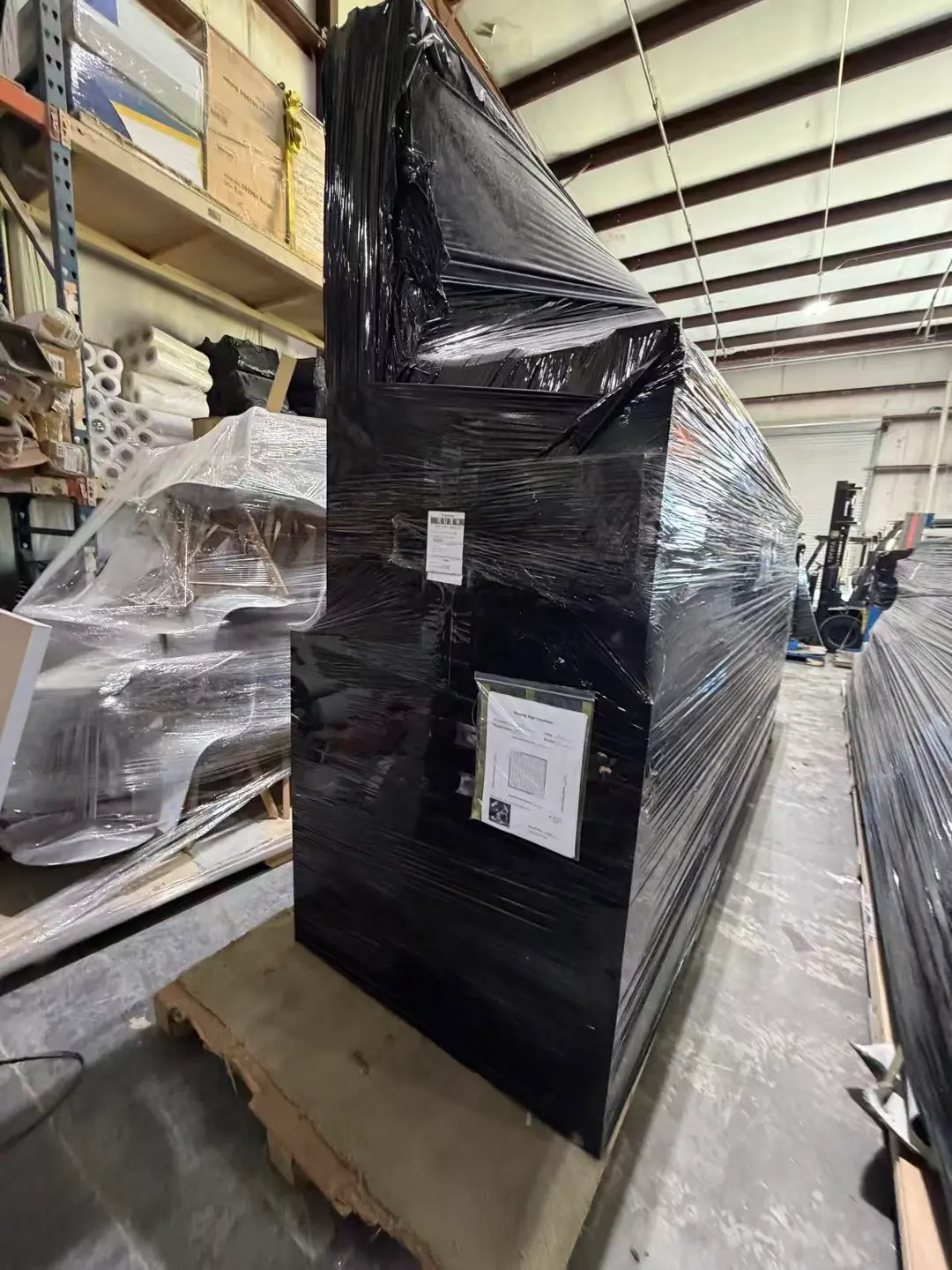
Caption: Getting your booth to the show floor starts with carefully packed crates and a well-planned shipping schedule.
SEO alt text: Packed and labeled trade show booth crates ready for shipping to an exhibition venue.
Whichever option you choose, coordinate your trade show logistics early. That way, your installation crew and freight carrier stay aligned.
Step 7. Prepare for opening day
As the venue gets closer to opening its doors, the exhibition starts to come alive. One of our top trade show tips for exhibitors is to test everything before opening. Check all your hardware and software, run through product demos, and test your wi-fi. The last thing you want is a beautiful exhibit that draws in curious customers, only for your QR codes not to work.
Get a final eye on your booth layout to make sure your pathways and furniture are in the right spots. Brief your team by coaching them on your product talking points, demonstrating the lead-capture process, and making schedules crystal clear.
Step 8. Plan move-out before the show closes
When the last visitor leaves the hall and the doors close, the hard work begins.
At the end of the convention, you and your team will be exhausted. Do yourself a favor and have your close-out plan ready well in advance. The event organization will have a move-out schedule.
You'll want to confirm when dismantling can begin, how materials will be sent back, and who's responsible for packing up your exhibit. Have your outbound freight labels, Material Handling Agreement, and other shipping documents ready.
As your installation team closes out the event, your sales and marketing team should make sure all leads are properly saved and organized. Follow up with promising contacts while conversations are still fresh.
Get your booth show-ready
By the time the exhibition hall opens and the aisles fill with visitors, weeks of planning have finally come together. With a clear plan in place, your team can focus on welcoming visitors, showcasing your products, and making valuable connections instead of scrambling to solve last-minute problems.
Working with an experienced exhibition partner can make the entire process much easier. At ET EXPO, our exhibit experts handle everything from logistics and installation to dismantling, taking the pressure off your team and helping you make the most of your time on the show floor.
Ready to bring your next trade show exhibit to life? Speak to our team today and find out how we can help make your next event a success.
How to exhibit at a trade show FAQs
Where do I start if I've never exhibited before?
The first step in learning how to exhibit at a trade show is choosing an event that attracts your target customers. Set a budget, reserve booth space, and review the organizer's exhibitor manual for important deadlines, service orders, and setup requirements.
Can I set up my own trade show booth?
Sometimes. Some trade shows allow exhibitors to assemble their own displays, but certain tasks may require approved labor. Check your event's labor rules before deciding what your team can handle.
Can international companies exhibit at U.S. trade shows?
Yes. International companies can participate in U.S. trade shows, but they must meet the organizer's requirements and applicable travel and customs rules. Qualifying business visitors may attend conventions, but hands-on work can involve additional restrictions. Review the U.S. Department of State's business visitor guidance before traveling.